Meditation: Basics In 4 Steps
11/02/23 16:19 Filed in: Meditation
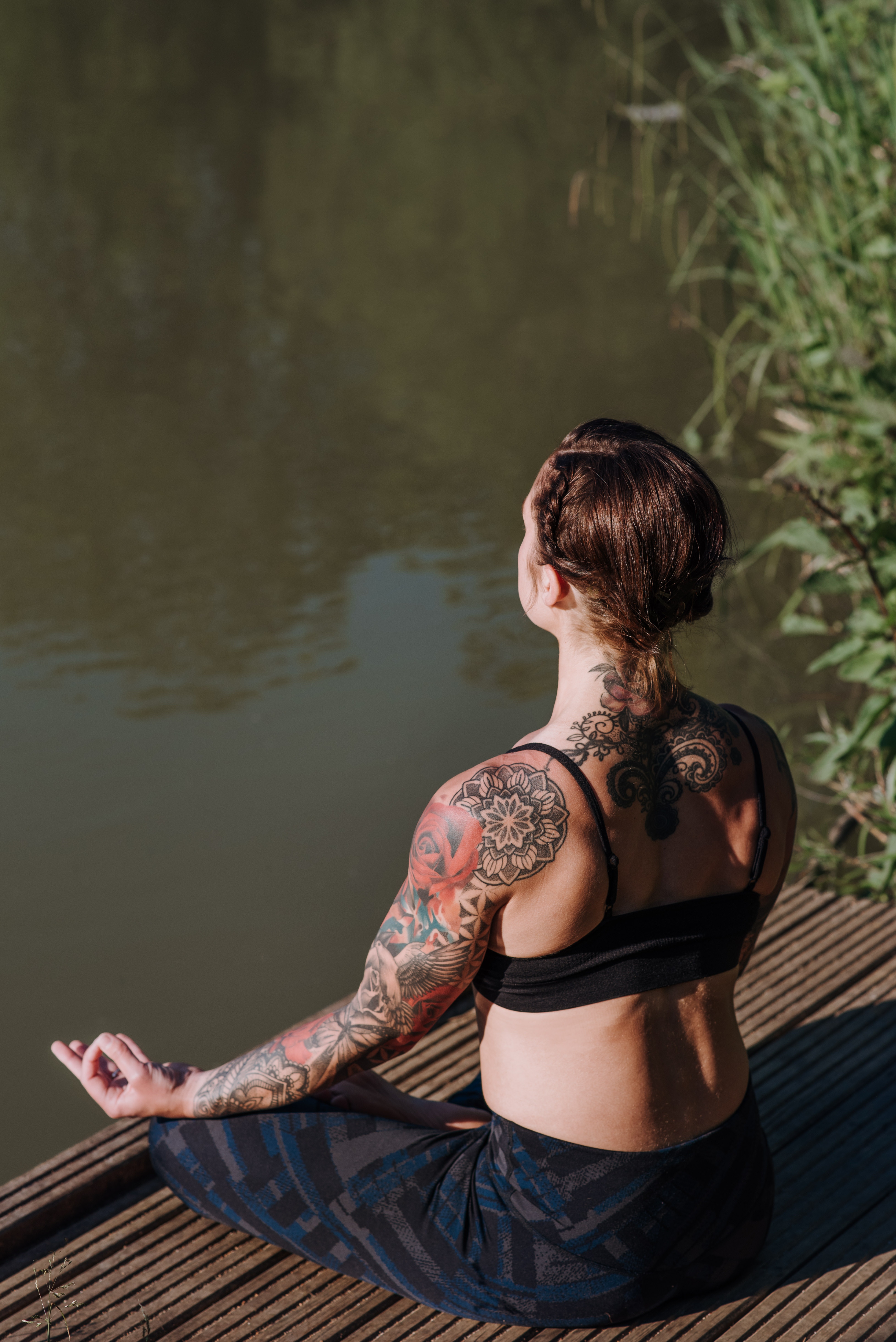
Meditation is one of the techniques often used for stress management. A person who is riddled with problems often finds it hard to focus, which often leads to more problems. Meditation techniques help a person achieve a calm state of mind without having to resort to drugs or relaxation tools and implements. Every step to meditation is done in the mind.
Remember that meditation is not a one shot deal. It is almost impossible to attain a calm state of mind in just a matter of minutes, especially if it’s our first time. It is essential that we keep on practicing meditation until we condition our mind to instantaneously achieve that calm state just by thinking about it. Here are some steps for a beginner to start with meditation as their Stress Management strategy.
1. Find A Quiet Corner To Start Our Meditation. Distraction is a hindrance to those who are still starting out with meditation. When we close our eyes, our sense of hearing will be twice as good, so almost any noise in our surroundings will make it hard for us to concentrate. For beginners, it is important to start out in a quiet place in our home where noise is non-existent. Close our windows and lock our door. If possible, we tell everyone in our home to minimize their noise so we won’t get distracted.
2. Ready Our Position. It is advisable for beginners to avoid lying down when practicing meditation. The aim here is not to sleep, and it is likely that we will fall asleep if our mind reaches a relaxed state. To stop this from happening, we can start our meditation in a lotus position or we can find a chair to sit on. Make sure that our back is straight and our hands are relaxed on the armrest or on our lap.
3. Begin Our Meditation With Proper Breathing. A good way to start meditation is to do the proper breathing exercise. We inhale through our nose and exhale slower through our mouth to begin. This way, we come into a rhythm that we may easily focus on. Also, the amount of oxygen in our body will help to keep us relaxed. Keep practicing our breathing until we do it easily without having to think about it.
4. Focus On Our Mind. While we concentrate on our breathing, we will achieve a state wherein our mind will start throwing images at us. These are mostly random- events of the day, future plans, problems and worries, fears and so on. It will be hard to ignore these thoughts and we are not supposed to ignore them. The gist here is to acknowledge these thoughts when they enter our mind and then release them. This might sound hard but here is a simple example to understand the concept. We know that we have furniture at home- we can see it clearly with our eyes, even when we are not really concentrating on it. Focusing on the furniture will usually make us think of its colour, its material, how it looks in that part of our home, and more. We need to be able to look at these random thoughts in a detached state, seeing them clearly in our head but not focusing our attention on it. There will come a time that these random thoughts will stop and we will notice that we are already in a blank space in our mind. This is the state we want to achieve during meditation.
This state or place where we can think about our problems and focus clearly begins to manifest a space of grace between us and our usual reactions. With this, we successfully master the basics of meditation.
